

Sensex Drops Over 300 Points as High Crude Prices Rattle Investors
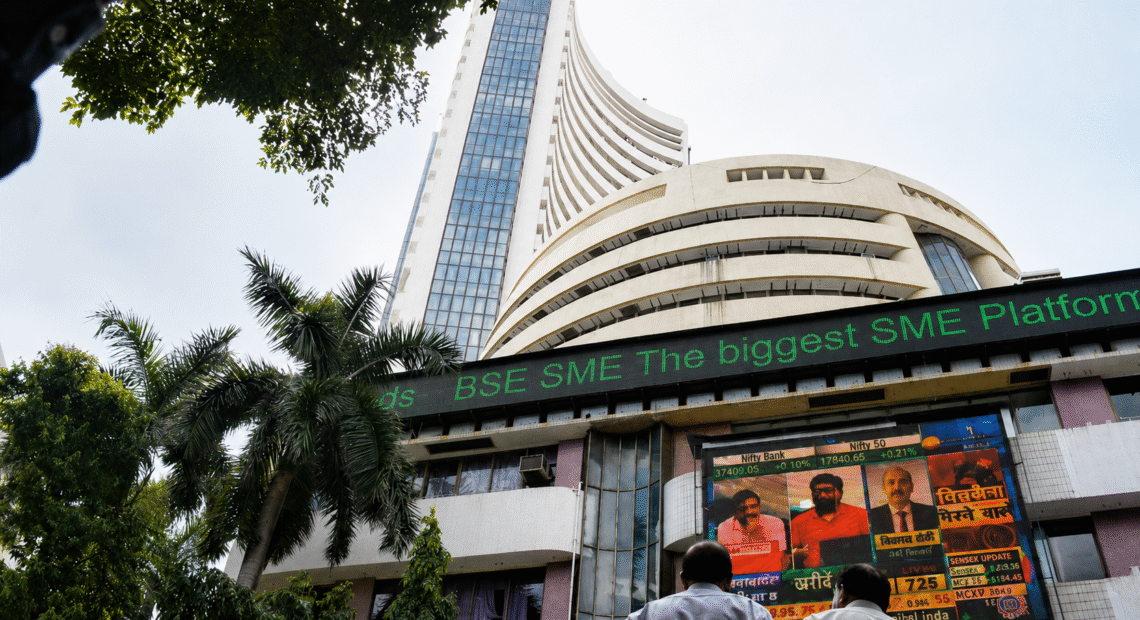
Indian benchmark equity indices opened lower on Tuesday as elevated crude oil prices and continuing geopolitical uncertainty weakened investor confidence.
The 30-share BSE Sensex fell 320.14 points during early trading to reach 78,204.40. The broader NSE Nifty 50 declined 94.35 points to 24,490.85.
The early weakness reflected investor concerns over rising energy costs and their potential impact on inflation, corporate profitability and India’s import bill.
Major Stocks Face Selling Pressure
InterGlobe Aviation, Axis Bank, UltraTech Cement, Bharti Airtel, Eternal and Bajaj Finance were among the leading laggards in the Sensex pack.
IndiGo parent InterGlobe Aviation came under pressure as higher fuel prices raised concerns about operating costs. Financial stocks also weakened, contributing significantly to the decline in the benchmark indices.
However, selected technology and consumer stocks provided limited support. Titan, HCL Technologies, Tech Mahindra and Infosys were among the prominent gainers during the morning session.
A broader market assessment showed that financial stocks were among the principal drags, while information technology shares recorded modest gains.
Crude Oil Prices Keep Investors Cautious
Brent crude, the international oil benchmark, traded marginally lower at approximately $87.61 per barrel. Despite the slight decline, oil prices remained elevated after a sharp increase in the previous session.
Uncertainty surrounding negotiations involving the United States and Iran has continued to influence energy markets. Investors are closely monitoring developments connected to the Strait of Hormuz, an important route for global oil shipments.
The absence of clear diplomatic progress has made international markets increasingly sensitive to geopolitical headlines. Brent crude remaining close to $88 per barrel is particularly concerning for India because the country depends heavily on imported oil.
Higher crude prices can increase India’s import expenses, put pressure on the rupee and contribute to domestic inflation. They may also affect the profit margins of companies in fuel-intensive sectors, including aviation, transportation, manufacturing and logistics.
Asian Markets Deliver Mixed Signals
The broader Asian market trend was mixed during Tuesday’s trading session. South Korea’s KOSPI moved higher, while Hong Kong’s Hang Seng and China’s Shanghai Composite traded in negative territory.
The uncertain regional performance, combined with weakness on Wall Street, contributed to a cautious opening for Indian equities.
Market participants are also monitoring upcoming economic data and global central bank signals for further direction. Continued volatility in oil prices could remain one of the most significant short-term influences on Indian stocks.
Markets Likely to Remain Headline-Driven
Analysts expect domestic markets to stay sensitive to crude oil movements and geopolitical developments. Investors may avoid taking aggressive positions until greater clarity emerges regarding oil supplies and diplomatic negotiations.
While support from technology stocks and renewed foreign investment could limit some losses, persistently high energy prices may continue to weigh on the broader market outlook.
The figures in this report reflect early trading on August 11, 2026, and may change during the session.